How Small Animals Impact Commercial Buildings and Business Operations
Commercial small animal removal experts help protect buildings and operations by safely removing rodents, birds, and other pests that can cause damage and disrupt business activities.
Understanding how small animals impact commercial buildings and business operations is essential for property owners looking to maintain a safe and efficient environment. Small animals such as rodents, squirrels, and birds can cause significant issues, including structural damage, contamination, and disruption of daily activities. Recognizing these potential risks encourages property owners to explore proactive solutions, and connecting with local contractors who specialize in small animal removal can help address these concerns effectively. Whether it’s preventing infestations or resolving existing problems, knowing what to look for and when to seek professional assistance is key to protecting a commercial space.
For business owners and property managers, staying informed about how small animals impact commercial buildings and operations can lead to more informed decisions about maintenance and pest management. Local service providers who handle small animal removal are equipped to handle these challenges efficiently, helping to minimize downtime and prevent further damage. Exploring these services ensures that commercial spaces remain safe, clean, and functional, supporting smooth business operations. Keep reading to learn more about how small animals can affect commercial properties and how local experts can assist in keeping these issues under control.
- Commercial building inspections often reveal small animal infestations that can compromise structural integrity, prompting local contractors to perform targeted removal and exclusion. Business owners experiencing unusual noises or damage may seek professional small animal removal services to prevent further disruptions and protect assets. When signs of pest activity appear in attics, walls, or ventilation systems, local service providers can efficiently address the problem to minimize operational interruptions. Small animals nesting in commercial rooftops or crawl spaces can cause damage that requires expert removal and sealing, which local contractors are equipped to handle. In cases where small animals have entered HVAC systems or electrical wiring, local pros can safely remove pests and prevent potential fire hazards or system failures.
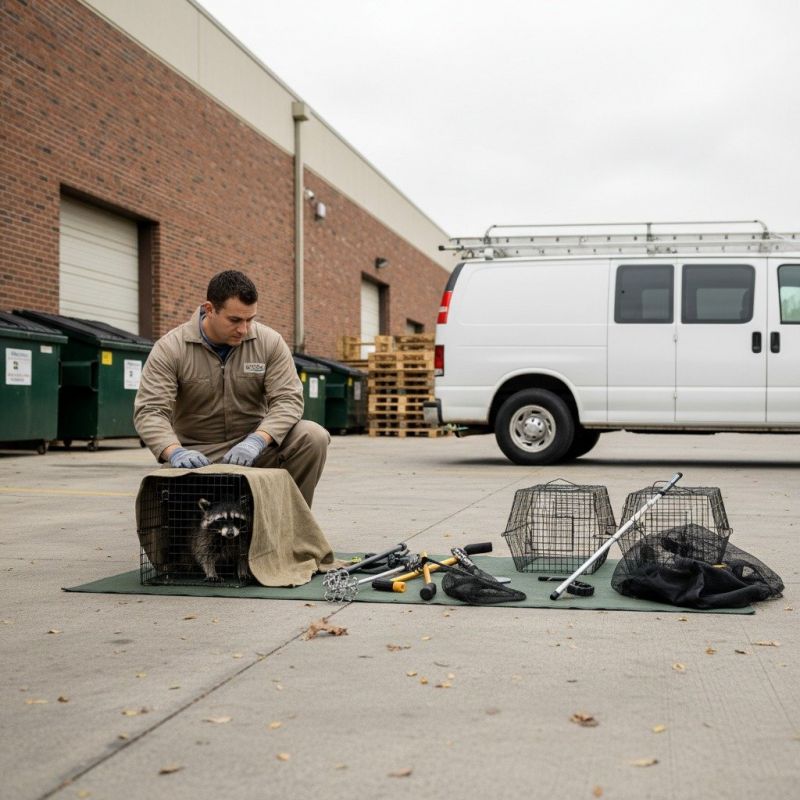
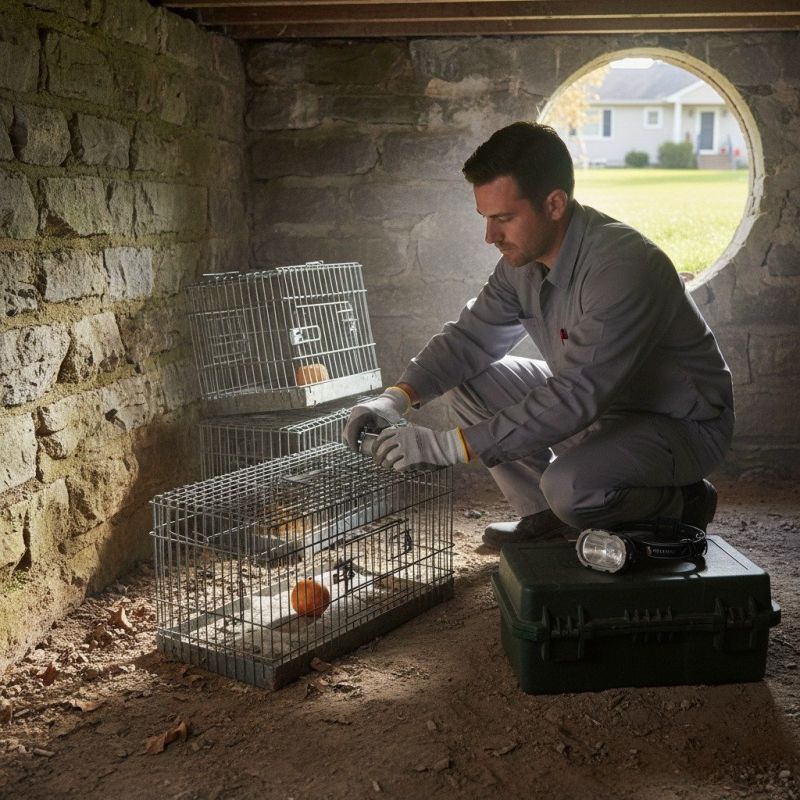
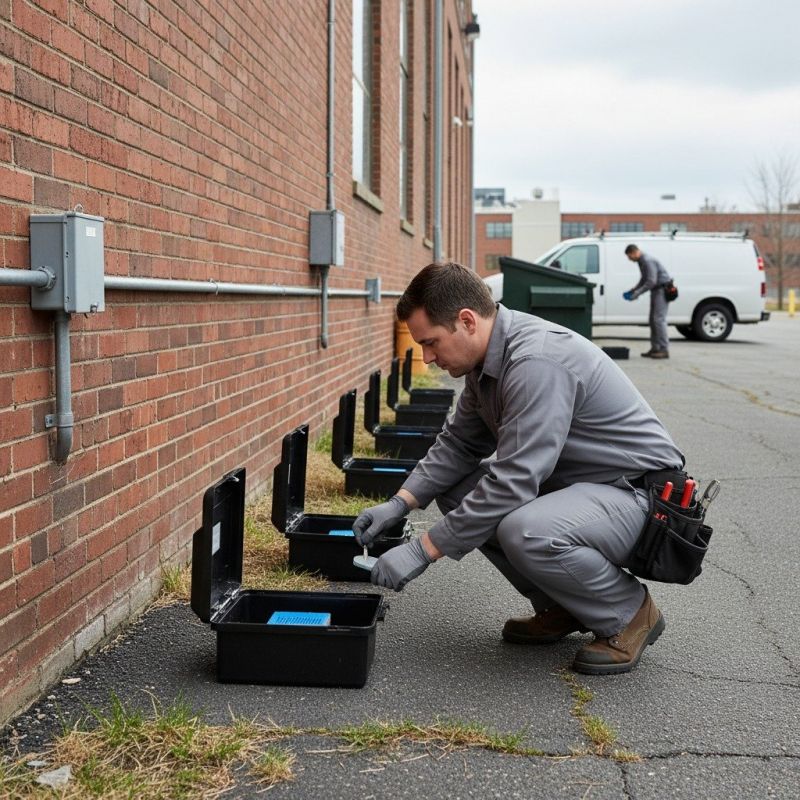
When people search for how small animals impact commercial buildings and business operations, they are often trying to understand the risks and challenges that these creatures can pose to their property and daily activities. Small animals such as rodents, squirrels, birds, and insects can cause significant disruptions if they find their way into commercial spaces. Concerns typically include property damage, health risks, and operational interruptions. Business owners may be exploring this topic to identify potential problems early, plan effective removal strategies, or ensure compliance with health and safety standards. This search often indicates a need for professional assistance to assess the situation and implement solutions that prevent animals from causing ongoing issues.
The problems associated with small animals in commercial settings can be diverse and impactful. These animals may chew through wiring, insulation, or structural elements, leading to costly repairs and potential fire hazards. They can also contaminate food storage areas or customer-facing spaces, creating health violations and reputational damage. In addition, the presence of small animals can lead to operational delays, especially if infestations are severe or if animals interfere with equipment. Many property managers and business owners develop plans to address these issues proactively, which often involves engaging service providers who specialize in humane removal and exclusion methods to protect the building and its occupants.
Commercial properties most commonly affected by small animals include retail stores, warehouses, office buildings, restaurants, and manufacturing facilities. These properties typically have features that attract small animals, such as accessible entry points, food sources, or sheltered areas. Warehouses with stored inventory and food-related businesses are particularly vulnerable to infestations, as they provide ideal conditions for rodents and insects. Similarly, older buildings with structural vulnerabilities or gaps in exterior walls and roofing are more susceptible to animal entry. Identifying which properties are at risk helps owners prioritize inspection and pest management efforts, often with the help of local service providers experienced in small animal exclusion and removal.
Engaging with local pros who handle small animal removal is a practical step for property owners facing these challenges. These service providers have the expertise to identify entry points, assess the extent of the problem, and implement effective removal and exclusion strategies. They can help develop a comprehensive plan that minimizes disruption to business operations while ensuring the property remains animal-free. Since small animals can quickly cause damage or health concerns if left unaddressed, working with experienced local contractors provides peace of mind and ensures that the property remains safe and operational. Proper management not only resolves current issues but also helps prevent future infestations, supporting the long-term integrity of commercial buildings.
Commercial property inspection projects - these involve assessing buildings for signs of small animal activity, requiring skills in identifying entry points and damage that are similar to those needed for animal removal services.
Wildlife exclusion and prevention projects - these projects focus on sealing entry points and implementing barriers, aligning closely with the planning and techniques used by local contractors to prevent small animals from re-entering buildings.
Building maintenance and repair projects - repairing structural damage caused by small animals involves similar skills in carpentry and damage assessment as those used in animal removal and prevention efforts.
Rodent-proofing and pest barrier installation projects - installing physical barriers to keep pests out relates directly to the methods employed by service providers specializing in small animal exclusion.
Structural damage assessment projects - evaluating how small animals have compromised building integrity requires expertise in building systems, paralleling the evaluation work done in animal-related cases.
Wildlife habitat modification projects - modifying surrounding environments to reduce small animal attraction involves planning and execution skills similar to those used by local contractors in animal mitigation efforts.
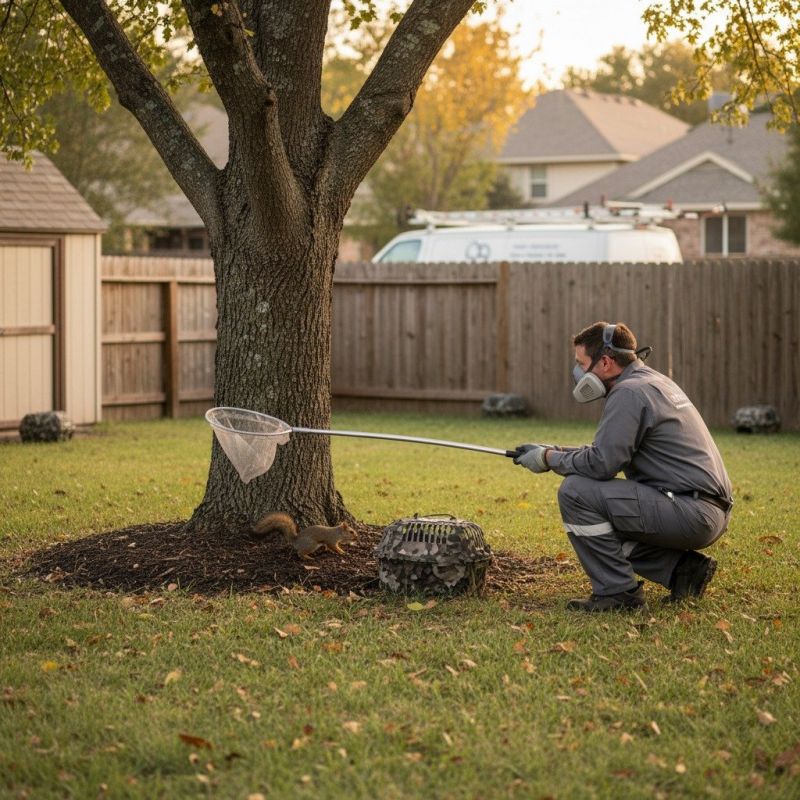
When comparing local contractors for commercial small animal removal, it is important to consider their experience with similar projects. A service provider with a history of handling small animal issues in commercial settings is more likely to understand the unique challenges these situations present. This experience can translate into more effective removal strategies and better prevention methods to minimize future impacts on business operations. Homeowners should inquire about the types of properties they have worked on and the specific animals they have successfully managed, ensuring that the contractor’s background aligns with the needs of their commercial building.
Clear, written expectations are essential when evaluating potential service providers. A reputable contractor should be able to outline the scope of work, the methods they plan to use, and the steps involved in the removal process. This transparency helps ensure that both parties are aligned on what will be done and reduces the risk of misunderstandings. Homeowners are encouraged to ask for detailed proposals or estimates that specify the services included, so they can compare how each contractor approaches the task and select the one that best fits the operational needs of their business.
Good communication and reputable references are key indicators of a reliable service provider. A contractor who communicates clearly and promptly demonstrates professionalism and a commitment to customer satisfaction. Additionally, references from previous clients, especially those with similar commercial projects, can provide insight into the contractor’s reliability, quality of work, and ability to handle small animal issues effectively. Homeowners should seek out service providers with positive feedback and a track record of successful projects, as this can help ensure that the chosen contractor will deliver the results needed to protect the building and maintain smooth business operations.
Property owners often search for how small animals impact commercial buildings and business operations when they are planning practical projects around their homes and businesses. Local pros provide Commercial Small Animal Removal services for everyday jobs and straightforward project options.
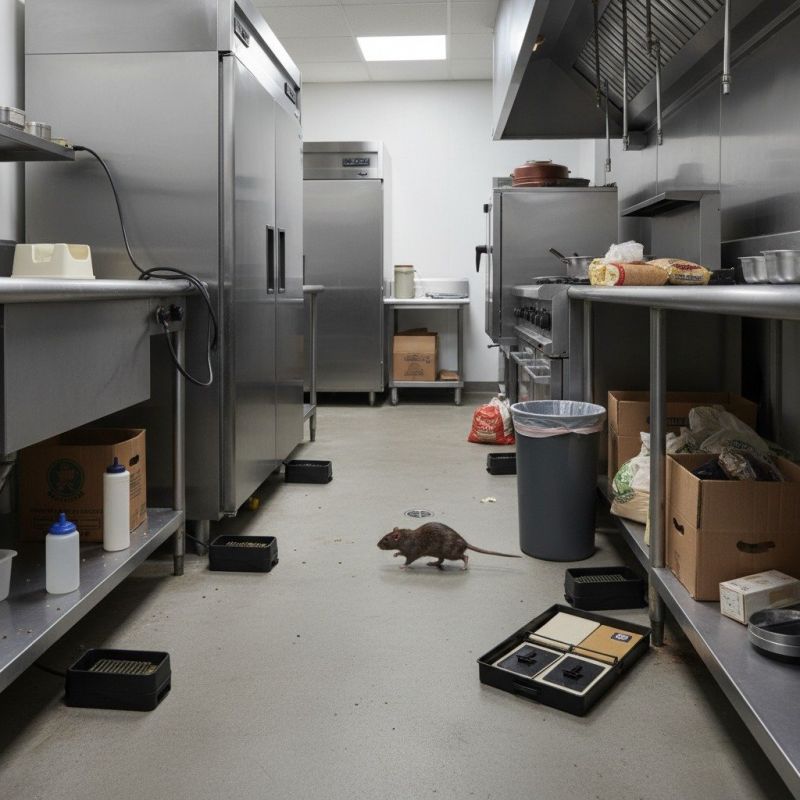
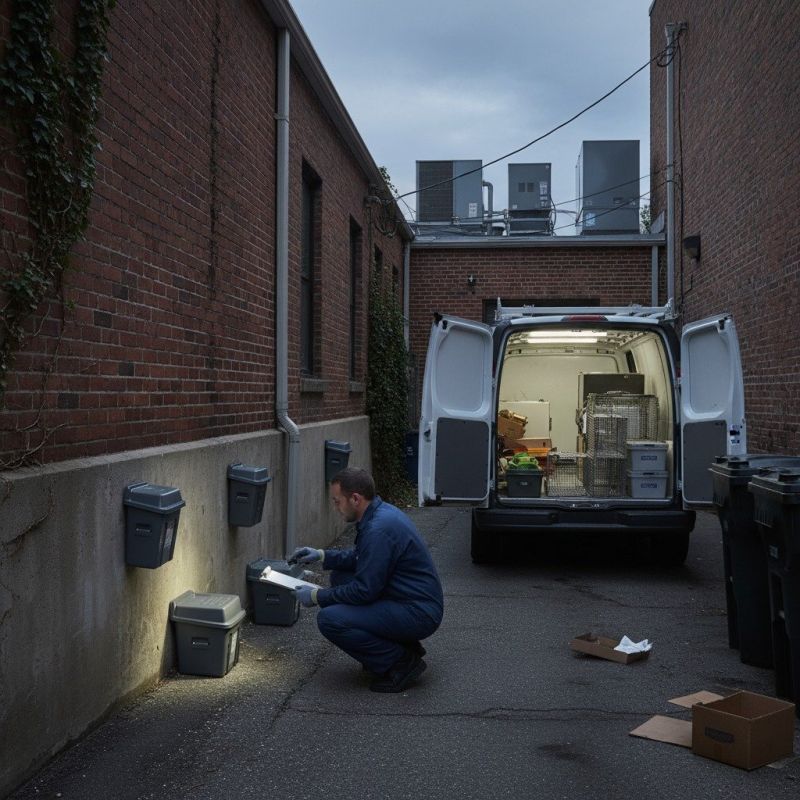
Small animals such as rodents, birds, and insects can cause significant disruptions in commercial buildings, impacting daily business operations. These creatures often find access points in roofs, walls, or foundations, leading to issues like property damage, contamination, and increased maintenance needs. Property owners in the area might look into commercial small animal removal services when they notice signs of infestation, such as droppings, gnaw marks, or unusual noises, to prevent further damage and maintain a safe environment for employees and customers.
Engaging with local contractors who specialize in small animal removal can help address these challenges effectively. These service providers are equipped to identify entry points, safely remove the animals, and implement measures to prevent future invasions. Considering professional assistance ensures that small animal issues are handled promptly, minimizing operational disruptions and protecting the integrity of the building.
How do small animals affect the structural integrity of commercial buildings? Small animals such as rodents and birds can cause damage to building structures by gnawing on electrical wiring, insulation, and wood components, potentially leading to costly repairs and disruptions in business operations.
What health risks are associated with small animals in commercial spaces? Small animals can carry diseases and parasites that pose health risks to employees and customers, making removal and prevention essential for maintaining a safe business environment.
In what ways can small animals disrupt daily business operations? Infestations or sightings of small animals can lead to closures, cleaning requirements, and safety concerns, which may interrupt normal business activities and impact customer experience.
How do small animals impact the cleanliness and hygiene of commercial buildings? Small animals can contaminate food storage, storage areas, and common spaces with droppings and nesting materials, compromising cleanliness standards and potentially violating health regulations.
Why should businesses consider professional small animal removal services? Local contractors have the expertise to safely and effectively remove small animals, preventing further damage and ensuring the business environment remains safe and operational.
Identify entry points - property owners can work with local contractors to locate and seal small openings that animals use to access buildings, preventing future infestations.
Assess structural damage - professionals can evaluate areas where small animals may have caused damage, helping to prioritize repairs that protect building integrity.
Implement exclusion strategies - local pros can install barriers and deterrents to keep small animals away from critical areas, reducing operational disruptions.
Remove existing infestations - property owners can rely on service providers to safely and effectively remove small animals, minimizing health risks and business interruptions.
If you are thinking about how small animals impact commercial buildings and business operations for a property, this guide is meant to help you understand this topic, the typical project types, and how different options might fit your plans.
When you are ready, you can use the quote form on this page to share a few details about your project. From there, local pros can review the basics and follow up with options that match what you have in mind.